


Moving Toward a Future in Virtual Health Care
- Shabin Mere
- Nov 28, 2023
- 8 min read

Updated: Dec 2, 2023

(Team VidyoHealth, 2022)

I remember back in the late '90s when I had my first flip phone and was so excited about being part of a future of advancement in technology. It was an innovative medium for improved communication with your loved ones, friends, work, and much more. Even though they were first released in the mid-1980s, I was finally able to afford one when I started my first job in the nursing profession, and it was one of the most exciting novelties for me. It was convenient, and accessible whenever needed. I had fewer worries about my family trying to reach me in an emergency or having to wait until I got home to speak to my friends or make plans with them.
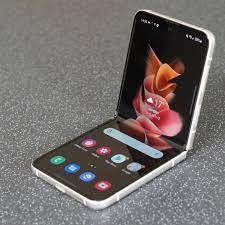
Then came the first smartphone in early 2000, which was even more exciting to have because now I can also see emails, see a calendar to schedule appointments, take photos, and save all my contacts (Smartphone, 2023). Each two to three years these devices continued to evolve and become more and more versatile and efficient in their functionality. Furthermore, there were computers and internet networks that have been evolving alongside smartphones, including the creation of tablets. All fall under the term mobile devices, “a piece of portable electronic equipment that can connect to the internet, especially a smartphone or tablet computer” (Mobile Devices Definition - Bing, n.d.). Over the years technology has advanced with smart mobile devices in efforts to make consumer lives more convenient, efficient, and constantly in communication within the social media world.

After the Covid-19 pandemic halted so much of our routine functions, and daily human contact, we started to see a paradigm shift into a deeper world of technology. A U.S. study done in 2021 showed that “… 90 percent of Americans said that the internet has been essential to them during the pandemic. A majority of respondents said video calls had helped them stay connected with friends and family (Allen, 2022). The author noted that despite the drawbacks of the pandemic and its effects on the overuse of technology, it also fueled the rise in virtual reality (2022), including virtual healthcare delivery.
In most of Canada's healthcare sectors, virtual healthcare has grown significantly since the pandemic. To curb the spread of COVID-19, patients receiving physician services in Canada underwent a major transition from in-person to virtual physicians. “Beyond the pandemic, virtual care remains a significant mode of delivery and has important implications on the future of patient care and the relationships between patients and providers” (Virtual Care: Impact of COVID-19 on Patients Receiving Physician Services | CIHI, n.d.).
A report [compiling] patient trends [in] accessing virtual care in 5 provinces (Ontario, Manitoba, Saskatchewan, Alberta, and British Columbia) between April 2019 and March 2021, accounted for between 2% and 11% of the services that patients received, depending on the province. A year later, patients received between 24% and 42% of their services virtually. In the 5 provinces for which data is available, an average of 16% of the population received 1 or more virtual care services per month (Virtual Care: A Major Shift for Canadians Receiving Physician Services | CIHI, n.d.).


Interestingly, BC started in 2019 just slightly above Ontario with a low percentage of patients using virtual care, and in 2021 ranking highest in utilization.
Before the rise of virtual health instigated by the pandemic, telehealth existed and was being discussed and considered to manage the growing crisis of access to family physicians, appropriate health care, and the resulting increase in emergency room visits. Subsequently, one of the mitigation strategies considered was the “application of mHealth, [which] created the potential to transform healthcare delivery by making it more accessible, affordable and available” (Akhter et al., 2013). “In the health care sector, mHealth is a transformative IT service for shifting the care paradigm from crisis intervention to promoting wellness, prevention, and self-management” (Kaplan & Litewka 2008, in Akhter et al., 2013).
The study conducted by this group was to determine:
the impact of service quality on economic and social outcomes … validated in the context of a business-to-consumer mHealth service ... confirm[ing] that [the] service quality has both direct and indirect impact on continuance intentions (i.e. economic outcome) and quality of life (i.e. social outcome) (Akhter et al., 2013).
Essentially this means that accessing medical care virtually showed to have a similar satisfaction to attending a medical appointment in person. This model shift would lend to becoming both a cost-saving venture, as well as a continuation of social connections. Examples of social connections are having a family member joining the patient either right beside them or even from another part of the country, in the virtual visit with the health care provider.
While this emerging concept of this health care delivery model has its benefits, there are still questions about whether it is a safe practice, and what the advantages versus disadvantages in its practice and application.

Advantages include:
- Enables the patients to consult with specialists outside of the city without having to travel.
- gives the patient total comfort and quick access to their doctor by allowing them to stay at home and perform these necessary checks and easily monitor their health condition.
- using personal mobile devices “for uploading health information, such as reading blood glucose levels or wearable devices that makes measurement of blood pressure to be ready for wireless transmission of information to healthcare providers (Ameen, 2022)”.
- having wearable devices to routinely monitor and report “weight, heart rate, walking distance, posture control, tremors, physical activity or sleep patterns” (2022).
- Access to “[h]ome monitoring devices for elderly people or those with serious diseases such as Alzheimer’s are also included in telehealth, which detects changes in the patient’s normal activities (2022)”.
- Benefits for the care providers would be to take advantage of virtual healthcare by corresponding with one another to request information or a teleconsultation from another specialist when necessary. Exam notes, disease histories, lab results, x-rays, and other reports related to medical imaging can be sent by primary care providers to the specialist for review. All providing better time management and efficient communication for the heavily burdened health care teams (2022).

Disadvantages include:
- While some patients find virtual healthcare to be a little confusing compared to in-person communication with their caregiver, there aren't really any specific drawbacks to virtual healthcare per se. This is because patients using virtual healthcare must use modern technological tools to facilitate communication (2022).

- The implications of clinical malpractice are another issue with virtual healthcare; in addition, there are currently no rules governing this technology, making it unclear who will be held accountable if malpractice occurs (2022).
Because of new care settings and technology systems that call for alternative care models and procedures, in some ways virtual care has made healthcare contexts even more complex. During healthcare interactions, there might also be an increased presence of family members, the public, other uninvolved clinicians, and sometimes technical support personnel. Together, these factors result in incredibly unpredictable care settings.

The confidentiality of extremely private or sensitive information and ensuring fair access to services with the required supports are the two main risks associated with virtual models that have been implemented internationally.
These risks are especially relevant for people with pre-existing health disparities, complex medical and social needs, low health literacy, and low-income origins. Though the safety features of digital health tools have come under intense analysis, quality assurance requires investigating patient safety in virtual healthcare through an objective and fair lens (Harrison & Manias, 2022).
All-in-all, we are seeing more and more of this trend toward virtual healthcare delivery models, and our aging population, as well as the growing population, is becoming more and more accustomed to this model. Over the past two years, I have experienced several events with phone calls or Zoom initial consultation visits with specialists. My family’s physician always offers two options for medical attention, either by telephone or in person, as well medication prescription refill visits are now predominantly conducted via telephone visits.
Recently, my 85-year-old father needed to have his persistent unresolved cough examined, and the only quick available clinic was the Urgent Primary Care (UPCC). When he called to make an appointment, he was first greeted by the office assistant who told my father he would be contacted by the RN for a quick assessment over the phone. Soon after he did receive the call, and upon her telephone assessment, she determined he would need to be seen in person by the clinic physician. She triaged the priority level of his medical attention and based the visit urgency accordingly. This saved my father the time from traveling to the clinic, the nurse having many patients waiting in the waiting area, and better infection control. The nurse was able to follow an algorithm to determine the priority or urgency of his care need and use her listening skills to detect the level of his condition without multiple disruptions. She then placed him on the first available appointment the very next morning. Before calling the UPCC, he was considering going to the ER at the nearest hospital. This process with the UPCC prevented the ER visit, and potentially more harm to him waiting for several hours in the waiting area filled with sick people, exposing him to other infections, or him spreading a potential virus to others in the same room. His good experience with this virtual visit is an example of its success and benefits, and likely sharing his experience with other seniors would then continue to spread the news, making virtual health an accepted option for seeking medical care.
(Fraser Health, 2021)
Telehealth is not only limited to physician access, but also moving toward other disciplines and health services where in person visits are not required, such as pharmacy prescription pick up and drop off, lab requisition pick up, clinical counselling sessions, dietitian services, some physiotherapy exercise sessions, and many more examples. All of which are going in the direction of Virtual Health Care delivery as our world is becoming more and more digitized.


Check out my Resource Links page for more information related to Virtual Care.
References
Akter, S., D’Ambra, J., Ray, P., & Hani, U. (2013). Modelling the impact of mHealth service quality on
satisfaction, continuance and quality of life. Behaviour & Information Technology, 32(12), 1225–1241. https://doi.org/10.1080/0144929x.2012.745606
Allen, G. (2022, March 11). How the Pandemic Has Changed Our Relationship With Technology.
Discover Magazine. https://www.discovermagazine.com/health/how-the-pandemic-has-changed-our-relationship-with-technology
Ameen, I. (2022, April 9). What is Virtual Healthcare? Healthcare Business Club.
Deloitte US. (2019, March 1). The future of health [Video]. YouTube. https://www.youtube.com/watch?
English, L. (2021, September 19). Virtual Healthcare Is The Future – If Organizations Can Clear These
Hurdles. Forbes. https://www.forbes.com/sites/larryenglish/2021/09/19/virtual-healthcare-is-the-future--if-organizations-can-clear-these-hurdles/?sh=1038101e6705
Fraser Health. (2021, July 9). Fraser Health Virtual care [Video]. YouTube.
Harrison, R., & Manias, E. (2022). How safe is virtual healthcare? International Journal for Quality in
Health Care, 34(2). https://doi.org/10.1093/intqhc/mzac021
Hodder, A. (2021, May 18). Legal and practical considerations for virtual health care in Canada. Word on
Huddleston, B. (2021, September 28). A (Mostly) quick history of smartphones - cellular sales. Cellular
Konstantin, & Konstantin. (2023, November 27). Healthcare app development in 2024: The Ultimate
guide. Topflight. https://topflightapps.com/ideas/5-steps-to-build-a-healthcare-app/
mobile devices definition - Bing. (n.d.). Bing. https://www.bing.com/search?
PricewaterhouseCoopers. (n.d.). The digital disruptors changing health care in Canada. PwC.
Professionalism and ethics | Privacy and Confidentiality | CMPA Good practices. (n.d.). CMPA.
smartphone. (2023). https://www.merriam-webster.com/dictionary/smart%20phone
Team VidyoHealth. (2022, July 28). The importance of a virtual care platform | VidyoHealth blog.
The future of virtual care - BC Family Doctors. (n.d.). BC Family Doctors. https://bcfamilydocs.ca/change-
Understanding Virtual Care (Telemedicine) | HealthLink BC. (n.d.). https://www.healthlinkbc.ca/health-
Virtual care: A major shift for Canadians receiving physician services | CIHI. (n.d.).
Virtual care: Impact of COVID-19 on patients receiving physician services | CIHI. (n.d.).



Comments